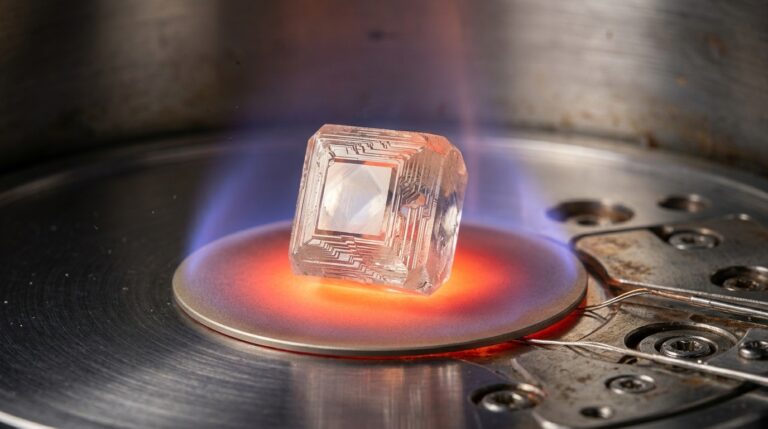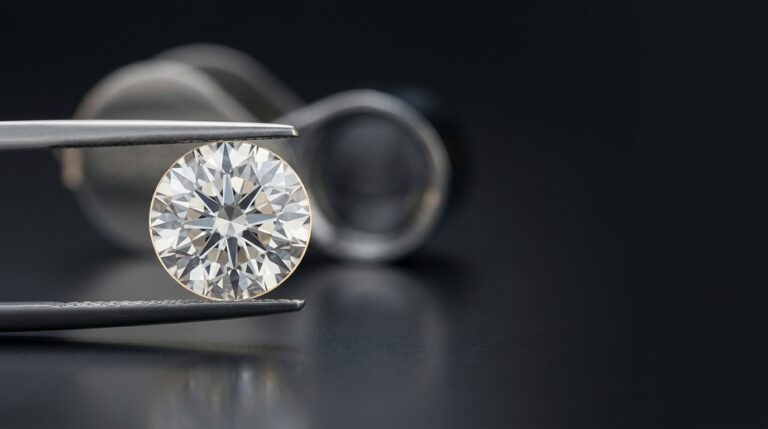
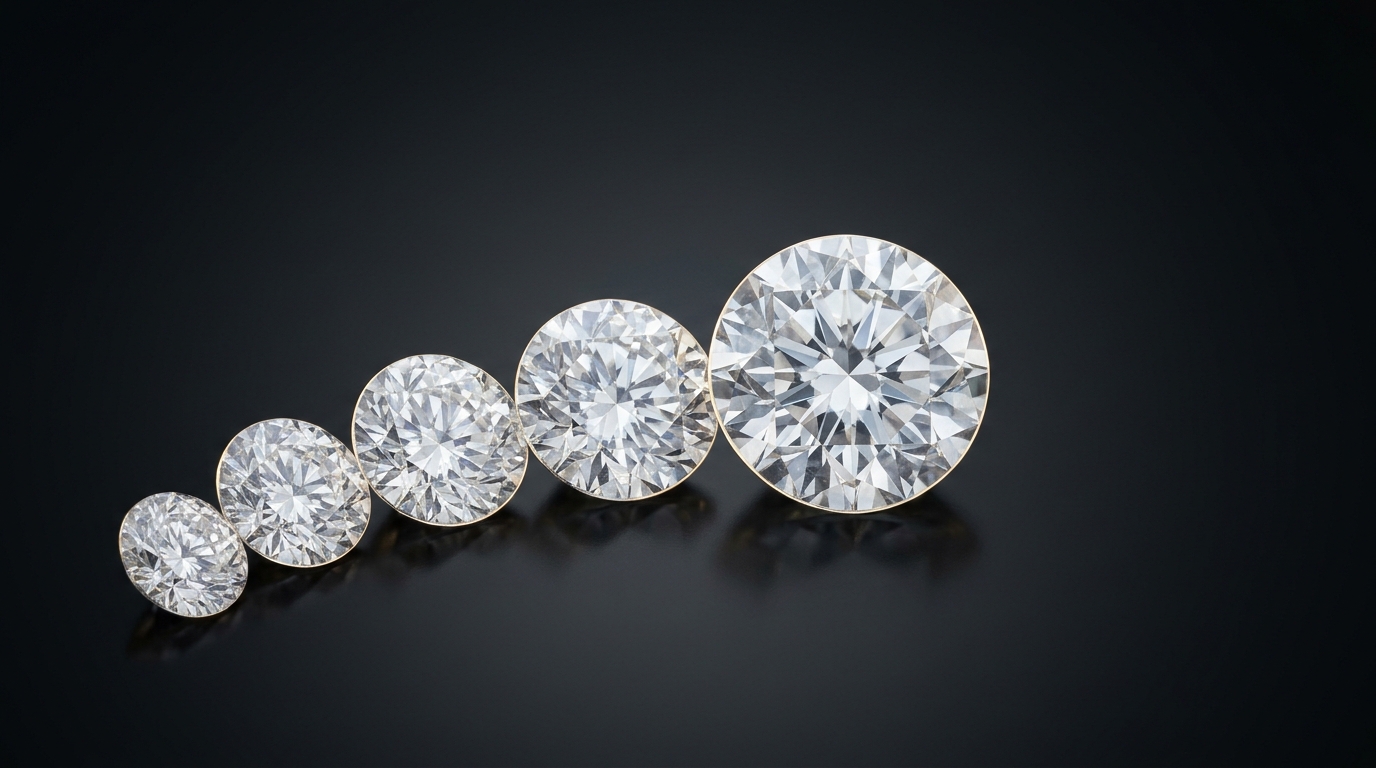
An advantageous cost structure should never be mistaken for a compromise in material integrity. The pricing variance between these two stones is rooted purely in their contrasting supply architectures. Mined diamonds carry the significant financial burdens of geological exploration, physical extraction, and child labor exploitation. In contrast, the valuation of laboratory diamonds is governed by scalable manufacturing infrastructure, high-tech engineering, and a highly competitive global marketplace—offering a brilliant substance born of intellect rather than costly landscape displacement.
Rarity Versus Reproducibility
Behind the shared brilliance of these gemstones lies an entirely different structural supply reality. The availability of natural diamonds is permanently capped by geological history and the complex realities of mining exploration. Lab-grown diamonds, meanwhile, belong to the realm of modern innovation, where supply is flexible and continually amplified by rising technical expertise and manufacturing efficiencies. As production capabilities evolve to deliver beautifully and brilliantly cut stones, the competitive global market naturally responds, passing these structural efficiencies directly to the consumer to open a broader and more accessible horizon.
Technology Becomes More Well-designed
The efficiencies of human intellect constantly redefine true luxury. Over time, the machinery of creation inevitably evolves, driving down production thresholds through optimized growth chambers, superior crystal yields, and greater precision in cutting recovery. While these continuous industrial breakthroughs work to lower wholesale value, their magnificent gains are gradually passed forward to the collector of these beauties, ensuring the final threshold of luxury remains deeply personal.
The Purchasing Power of Innovation
Choosing the path of innovation allows you to optimize your purchasing power, unlocking access to larger carat dimensions, elevated color and clarity grades, or a more sophisticated structural setting without compromise. However, the discerning collector knows that genuine luxury resides in visual performance rather than raw size alone. The breathtaking fire, scintillation, and brightness of a flawless cut will always eclipse sheer mass, standing as the ultimate testament to true diamond artistry.
Separating Price From Diamond Quality
True brilliance is governed by geometry, not cost—making price a remarkably deceptive guide to a diamond’s visual impact. The affordability of a stone does not signify a poor cut or an inferior crystal lattice, just as a luxury premium can never magically manifest a superior sparkle. The discerning collector looks to empirical truths rather than price tags. Rest your choice on verifiable data: align the stone’s exact proportions, its light transparency, and the integrity of its grading documentation from a reputable gemological institute while safeguarding your journey with established warranties.
Beyond Financial Value
True luxury recognizes that some treasures are meant to be cherished, not traded. For this reason, neither earth-mined nor lab-grown diamonds should be sold as guaranteed financial investments; the secondary marketplace is naturally unpredictable, and future appreciation is never assured. An engagement ring functions primarily as an intimate milestone—a physical manifestation of an emotional heirloom. Ultimately, its true valuation is dictated by the heart, retaining its monumental personal worth long after the external market value changes.
Frequently Asked Questions
Will the pricing landscape continue to shift downward?
Predicting long-term commodity valuations is an imprecise science, and no one can guarantee future pricing. The valuation of lab-grown diamonds has historically been dynamic as technology continues to evolve.
Does a lower investment threshold mean the diamond is less real?
Absolutely not. Price tag variations are dictated by the economics of creation, never by gemological definitions. The physical material is identical; you are simply witnessing the financial benefits of human intellect. Should the resulting financial savings be redirected entirely into a larger stone? Only if grandeur is your ultimate desire—though a larger presence is always a beautiful option. True elegance, however, speaks through the magnificent fire of a perfect cut, the custom craftsmanship of the setting, and the overarching harmony of the design. It is this artistic balance, rather than sheer scale, that dictates lifelong satisfaction.
Key Takeaways
- The Economics of Abundance: The cost of a stone reflects the efficiency of its global supply chain,
not its gemological value.
- Identical Foundations: Affordability is born of technical innovation, leaving the physical reality of the
diamond entirely intact.
- Chasing Fire, Not Carats: The ultimate reward comes from selecting a masterfully cut,
well-proportioned stone over sheer physical mass.
- Honoring the Heirloom: Diamonds should be acquired for their enduring personal significance rather
than speculative fluctuations of the secondary market.
Authoritative Sources
- GIA — Man-Made Diamonds: Questions and Answers
- GIA — Is There a Difference Between Natural and Laboratory-Grown Diamonds?
- IGI — Laboratory Grown Diamond Report
- U.S. Federal Trade Commission — Buying Gemstones, Diamonds, and Pearls
Halo Diamonds Editorial Note: Trusted independent authorities and reputable gemological institutions
must deliver precise, universally verifiable grading certificates that bring absolute transparency to every evaluation.