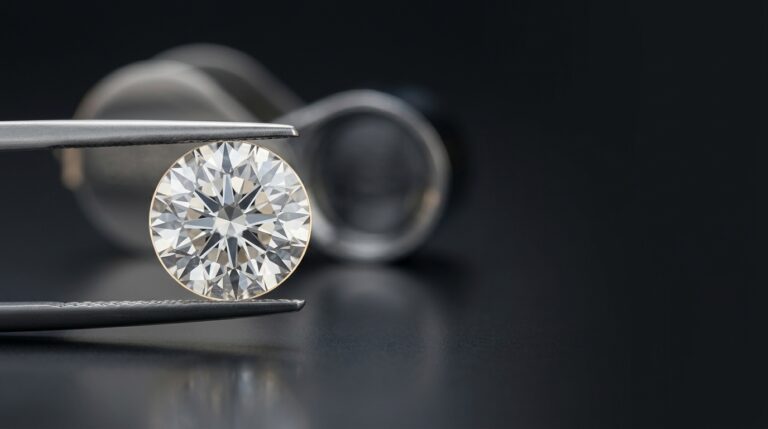
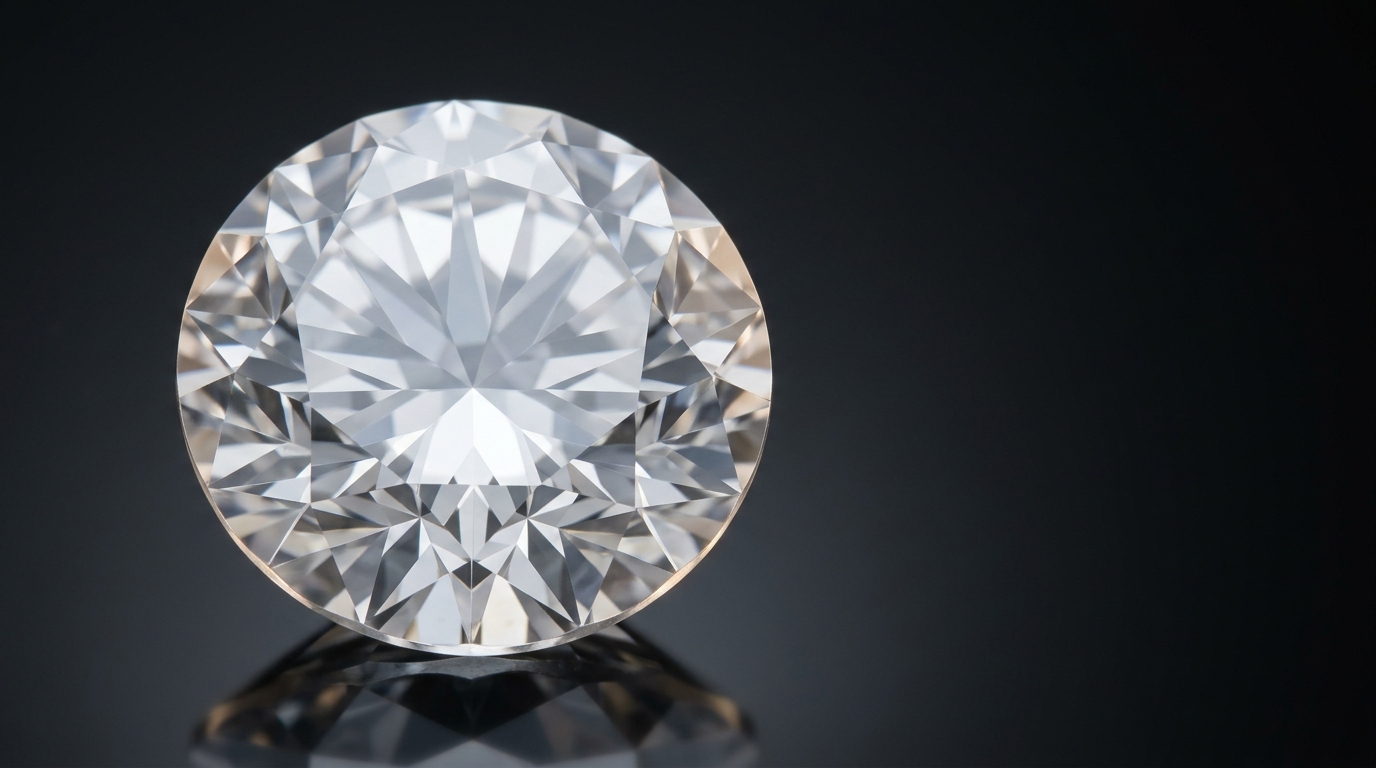
Simply put, a lab-grown diamond is a diamond created in a controlled manufacturing environment rather than extracted from the Earth. It is made of carbon atoms arranged in the same crystal structure that defines a mined diamond. That shared structure gives both origins the familiar properties people associate with diamond: exceptional hardness, transparency, brilliance, and fire. The meaningful difference is origin, not whether the material is actually diamond. Lab-grown diamonds are typically priced lower than their natural counterparts, making them an attractive option for those seeking more value for their budget. However, buyers should note that lab-grown diamonds may have a lower resale value than mined diamonds.
What Makes a Diamond a Diamond?
What truly makes a diamond a diamond? It all comes down to its composition and crystal structure, not where it happens to be created. While mined diamonds form over millennia deep within the earth, lab-grown diamonds are brought to life through remarkable technology that mimics nature’s magic. Both can be cut, polished, and set into exquisite jewelry, ready to be cherished for generations to come.
How Are Lab-Grown Diamonds Made?
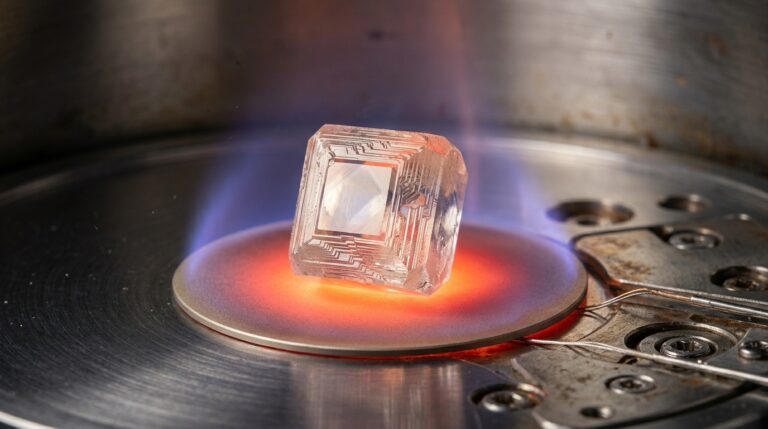
There are two main ways to create these sparkling wonders: High Pressure High Temperature (HPHT) and Chemical Vapor Deposition (CVD). HPHT recreates the intense heat and pressure found deep underground, coaxing a tiny diamond seed to grow. CVD, on the other hand, uses a carbon-rich gas in a special chamber to build up the diamond layer by layer. Once formed, these rough gems are cut and polished with the same artistry and care as any mined diamond. Lab-grown diamonds can also be graded and certified by reputable independent gemological laboratories, such as GIA or IGI, so buyers can trust in the diamond’s quality and authenticity just as they would with a natural stone.
What Lab-Grown Diamonds Are Not
Let’s clear up the misconception: a lab-grown diamond is not a cubic zirconia, glass, white sapphire, or moissanite. Those materials may imitate the appearance of a diamond; therefore, they are called simulants. They have different chemistry, optical behavior, and physical properties. Clear disclosure matters: “lab-grown diamond” is a real diamond created in a lab.
Why Buyers Consider Them
For many couples, lab-grown diamonds open up a world of possibilities, such as a larger stone, a more intricate design, or simply the joy of staying within budget. Some are drawn to the transparency of their origin or the peace of mind that comes from avoiding mining altogether. Lab-grown diamonds are often considered to have ethical and environmental advantages, since they can reduce concerns about mining practices and their impact on the land as well as avoid child-labor exploitation. These choices are deeply personal, and a trustworthy jeweler will always help you understand both options so you can make the decision that feels right for you.
Frequently Asked Questions
Are lab-grown diamonds real?
Yes! Lab-grown diamonds are 100% real diamonds. They are chemically, physically, and optically identical to diamonds mined from the Earth.
Can a jeweler identify one by sight?
No! Even diamantiers rely on advanced gemological instruments to tell the difference.
Do they last?
Absolutely! Lab-grown diamonds possess the same exceptional durability as mined diamonds, making them perfect for everyday wear. You can enjoy their timeless fire and brilliance for years to come with minimal maintenance.
Key Takeaways
- Lab-grown diamonds are real diamonds.
- Origin is the central difference.
- They are not the same as diamond simulants.
- Independent grading and accurate disclosure protect the buyer.
Authoritative Sources
- GIA — Is There a Difference Between Natural and Laboratory-Grown Diamonds?
- GIA — HPHT and CVD Diamond Growth Processes
- GIA — Simulants, Moissanite and Lab-Grown Diamonds
- U.S. Federal Trade Commission — Jewelry Guides
Halo Diamonds Editorial Note: Trusted independent authorities and reputable gemological institutions
must deliver precise, universally verifiable grading certificates that bring absolute transparency to every evaluation.